


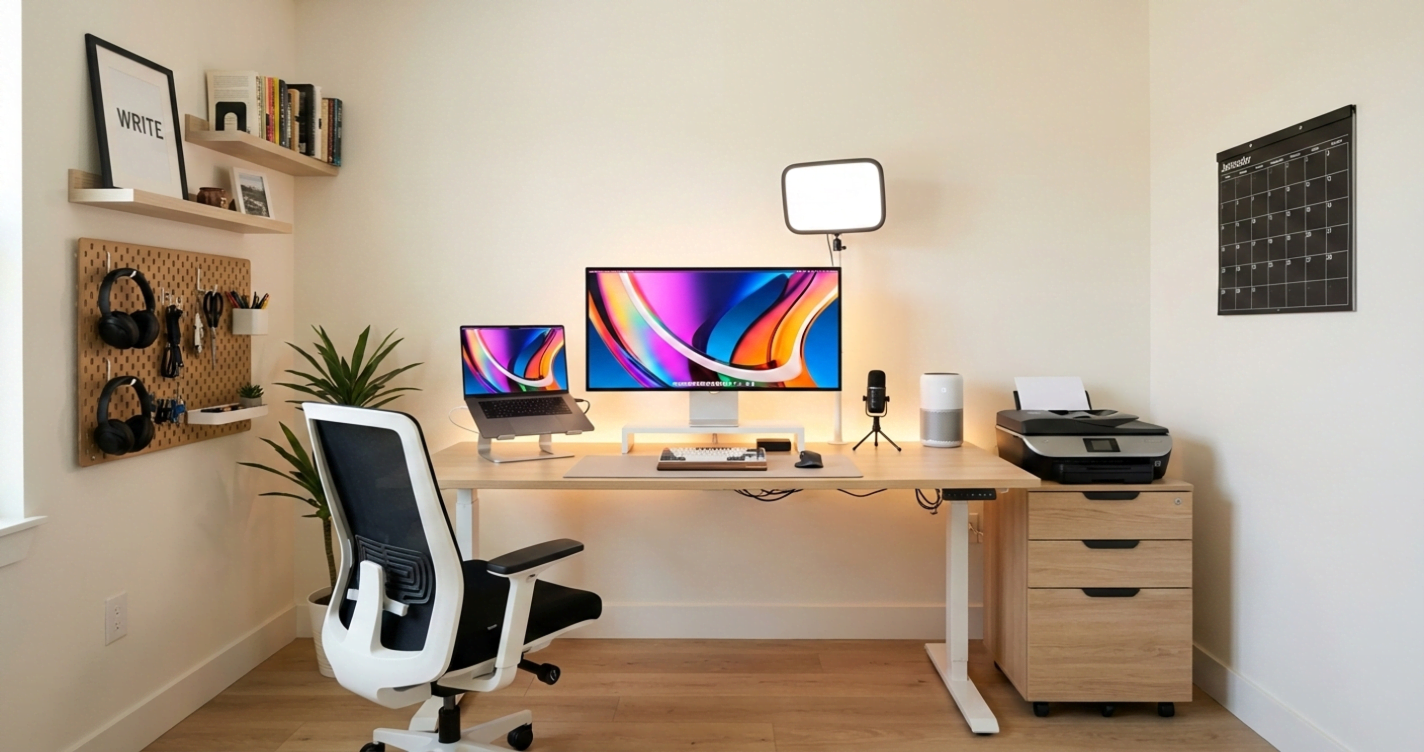
If you’ve just landed a fully remote job, welcome to a whole new way of working. You’re aware of the challenges of commuting daily for a regular on-site job. But as much as the flexibility and comfort of working from home are admired, not much is said about the challenges that come with it. Many people struggle during their first few months of remote work, learning the hard way how to stay focused, manage time, and separate work from personal life. To help you navigate this, this article will walk you through the pros and cons of working from home and share practical tips to help you stay productive and truly embrace the remote life.
What is a Work-From-Home Job?
A work-from-home job is any role you can perform from home or another remote location. These roles usually require a reliable internet connection so you can communicate and collaborate with colleagues. Remote roles can range from virtual assistants, writers, and customer support to software development and project management. While some remote employees work full-time from home, others may split their week between home and an office. Most work-from-home jobs require access to basic tools, like a computer, email, communication apps, and project management software. Setting up your workspace and having these tools ready is key to being effective in any remote role.
Pros of Working From Home
1. Flexible work schedule
Working from home allows you to plan your workday around your most productive hours. Instead of following a rigid office schedule, you can structure your time in a way that helps you focus and get more done while still managing personal responsibilities.
2. No commute
Working from home removes the need to commute to an office every day. This saves hours that would normally be spent in traffic or public transport and reduces the physical and mental stress that comes with commuting. The time saved can be used for rest, family, exercise, or personal growth, which helps improve overall work-life balance for remote workers.
3. Lower daily expenses
A remote job can help reduce everyday costs such as transportation, work clothing, and meals. With a proper home office setup, you can work comfortably without spending extra money on office-related expenses.
4. Increased productivity
Studies have shown that workers in quieter environments tend to be more productive. When working from home, there are fewer interruptions from office noise, casual conversations, or unplanned meetings. This makes it easier to focus on tasks and complete work efficiently. Many remote workers are also able to manage their time better by organizing their day around important priorities, which helps them stay productive and meet deadlines consistently.
5. Better work-life balance
Working from home can improve work-life balance by allowing you to fit work around your personal life. You can handle personal tasks without taking time off, which helps reduce stress and burnout.
6. Access to more job opportunities
Remote work gives you access to roles beyond your physical location. Many remote jobs allow you to work with international teams and companies, increasing your chances of finding opportunities that match your skills.
7. Improved communication skills
Remote roles rely heavily on communication tools, online meetings, and collaboration platforms. Using these tools regularly helps remote workers improve how they communicate, write clearly, and stay aligned with their teams. Over time, this strengthens professional communication and teamwork skills.
8. More independence
Working from home can provide autonomy and independence that may be absent in a traditional office. Many remote workers use productivity tools and task management applications to manage their workload, meet deadlines, and stay accountable without constant supervision.
Cons of Working From Home
1. Isolation and loneliness
At first, being a remote worker and working from home feels peaceful. Then one day, you realize you’ve gone hours, sometimes days, without a real conversation with another human, other than bots and AI on your laptop screen. It’s even worse if you live alone. No small talk or laughter across a desk. Plenty of online meetings, but no real human connection. If you’re used to an office environment, it might take some time before you begin to adjust.
2. Difficulty separating work and personal life
When your home becomes your office, the line between work and life can blur quickly. You start your day early, thinking you’ll “just finish one task,” and suddenly it’s evening. Your laptop is always within reach, and small personal interruptions feel like work breaks, but sometimes they pull you in both directions. Without clear boundaries, it’s easy to feel like you’re always working and never truly off the clock.
3. Distractions at home
Working from home sounds ideal until you realize the distractions are endless. Laundry piles up, dishes need washing, your pets demand attention, or family members need something right when you’re in the zone. Even small interruptions can break your focus and stretch simple tasks into hours. Learning to manage these distractions is part of making remote work actually work.
4. Overworking and burnout
One of the biggest traps of remote work is working too much without realizing it. Because no one tells you to leave, you push through late nights or skip breaks just to prove you’re productive. At first, it feels fine, but over time, fatigue sets in, and burnout becomes real. Without habits to stop yourself, remote work can slowly consume your energy.
5. Risk to productivity
Some days, working from home feels harder than sitting in an office. Without the structure of an office or the presence of supervisors, it’s easy to get distracted or lose momentum. Tasks that normally take an hour can stretch into the afternoon. Productivity isn’t automatic, it takes discipline, planning, and the right environment to stay consistent.
6. Workplace disconnect
Working remotely can make you feel out of the loop. You might miss informal updates or decisions that happen quickly in an office. When communication isn’t clear, you can feel unsure about priorities or left out of the team dynamic. Without proactive effort, it’s easy to feel disconnected from the people you work with every day.
7. Lack of real-time face-to-face interaction
Online meetings get the job done, but they can usually feel transactional. You don’t always get the body language, quick clarifications, or spontaneous collaboration that happen in person. This can sometimes lead to misunderstandings or feeling less connected to your colleagues.
8. Initial home office setup costs
People don’t always talk about this part. You may need to spend your own money on a decent chair, desk, headset, or webcam to work comfortably. Some companies help with this, but many don’t. It’s an upfront investment you should be prepared for.
How to Be Productive When Working From Home
1. Create a daily work routine and clear schedule
Imagine starting your day without guessing what to work on next. You sit down at the same time each morning, open your task list, and already know your priorities for the day. Having a routine helps your day feel structured instead of scattered. Start your workday at a consistent time, list out your priority tasks, and decide what needs to be done first. This will help you stay focused and reduce the chance of procrastination.
2. Set up a dedicated workspace at home
One of the fastest ways to lose focus during work hours is trying to work from your bed or couch. Your mind struggles to stay alert. Setting up a dedicated workspace, even if it’s just a small desk in a corner, creates a clear signal that it’s time to work. When you sit there, your brain naturally syncs into work mode. When the workday ends and you leave that space, it becomes easier to switch off and truly rest.
3. Use productivity and management tools
Tools like Trello, Notion, and Google Calendar help you stay organized and track your tasks. You can use them to plan your day, set deadlines, and monitor progress. These tools make it easier to manage your workload and avoid forgetting important tasks.
4. Set boundaries with family and friends
When you work from home, it’s important to communicate your working hours to the people around you. Let them know when you’re unavailable so you can work without constant interruptions. Clear boundaries help protect your focus and productivity.
5. Communicate clearly and consistently with your team
Regular communication keeps everyone aligned and reduces confusion. Use communication tools to give updates, ask questions, and clarify expectations. Clear communication helps you stay connected and avoid misunderstandings.
6. Take intentional breaks to avoid burnout
Short breaks during the day help you recharge and stay productive. Step away from your screen, stretch, or take a short walk. These breaks help reduce mental fatigue and improve focus when you return to work.
7. Review and plan tasks weekly
At the end of each week, review what you’ve completed and what still needs attention. Planning ahead helps you stay organized, adjust priorities, and start the next week with clarity and direction.